
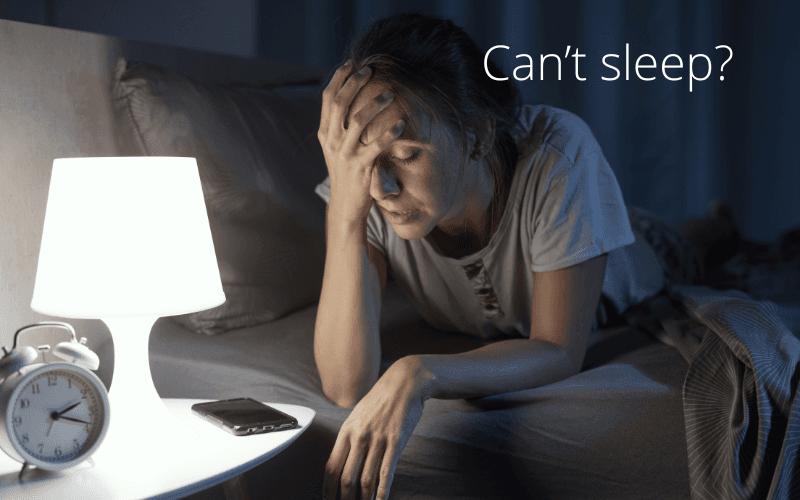
Struggling to Sleep? Don’t Waste Another Night Wondering Why — Let Kinesiology Reveal the Real Reason
Going to bed but not falling asleep — or waking up through the night — can be soul-destroying, especially when it becomes a persistent pattern. Sleep is more than just rest. It’s the body’s natural repair time and the mind’s chance to process the day. But it’s also something deeper — a sacred transition, a chance for the soul to reconnect, restore, and prepare for a new beginning.
As a kinesiologist with over 20 years of experience, I’ve supported many people on their journey back to restful, healing sleep. Whether the cause is stress, trauma, lifestyle overload, or emotional exhaustion, the path forward lies in restoring inner harmony — body, mind, and spirit.
Why Sleep Is Sacred
Sleep is like nature’s “reset” button. It allows the nervous system to rebalance, the body to repair, and the mind to integrate emotions and experiences. Energetically, it’s a time when we return to ourselves — leaving behind the demands of the day and entering a space of quiet wisdom.
Without this reset, we feel the effects: fatigue, foggy thinking, mood swings, digestive issues, anxiety, and emotional volatility. Over time, a lack of sleep can also contribute to more serious health conditions such as heart disease, type 2 diabetes, weight gain and depression.
But there is help at hand whatever your type of problem or the stage you are at.
3 Types of Sleeplessness
Not all sleep issues look the same. Here are three common patterns I see:
- Difficulty falling asleep – lying awake with racing thoughts.
- Waking during the night – then being unable to return to sleep.
- Broken or unrefreshing sleep – not sure how much you slept, but waking up tired and depleted.
3 Stages of Sleeplessness
Recognising your stage can help you understand what kind of support you may need:
- Reactive (Short-Term)
This kind of sleeplessness is usually linked to a specific event — like a deadline, a heavy meal, or a big life moment. Once the trigger passes, sleep usually returns. If we respond calmly and mindfully, this stage can pass without long-term effects. - Habitual
This is where most people begin to worry. You may be sleeping poorly several nights a week for months on end. Anxiety about sleep sets in, and your nervous system becomes hyperalert. Often this is when stimulants like caffeine, alcohol, or screen time become coping mechanisms, which then make things worse.
The good news? With the right reset — lifestyle changes, emotional awareness, and mindful evening routines — balance can be restored. - Chronic (Long-Term)
In this deeper phase, sleep disturbance has become embedded in your system — sometimes lasting years. This is often where trauma plays a significant role. In my work, I’ve found that unprocessed trauma can create a state of vigilance in the body. The brain, particularly the parts that govern safety and regulation (like the hypothalamus and pineal gland), can become locked in a pattern of alertness.
Even if the original event is long past, the body still remembers. Sleep doesn’t feel safe. And despite your best efforts, nothing seems to work.
This is where a soul-based, trauma-aware approach becomes essential. Your body isn’t broken — it’s protecting you. But it needs gentle help to feel safe enough to let go. Using kinesiology and other natural methods, we can begin to unwind those stored stress patterns, reset the nervous system, and re-establish your natural rhythm of rest and renewal.
Kinesiology can reveal the root cause;
When sleep struggles become persistent, it’s often not just about bad habits or a disrupted routine — it usually runs much deeper. As a kinesiologist, I use gentle muscle testing to tap into the body’s subconscious and energetic systems to uncover what’s really going on.
What’s truly remarkable is that the body already holds the answers — we just need to learn how to listen.
In many cases, the root cause lies in the subconscious mind. Like many symptoms we wish would simply go away, sleeplessness often stems from unresolved memories, limiting beliefs, or deep-seated fears held in the past. And because the conscious mind is quieter at night, that’s often when the subconscious takes the opportunity to bring these internal conflicts to the surface — in an attempt to resolve them.

Some of the hidden influences I regularly uncover with clients include:
- Unconscious emotional conflicts — such as unresolved grief, fear of abandonment, or inner pressure to “get it all right.” These often bubble up at night when the mind quiets.
- Energetic timing imbalances — using the Traditional Chinese Medicine body clock, we can see if your wakefulness corresponds with a particular organ or meridian time (e.g., waking between 1–3am may link to the liver and unresolved anger).
- Disconnection from soul-purpose — sleeplessness can arise when there’s a deep yearning for meaning, but no safe space to explore it.
- Lingering self-doubt or identity fatigue — especially in women who feel torn between roles (mother, partner, career, etc.). The body responds to this fragmentation with tension and restlessness.
- Emotional residue from broken relationships or early life trauma — the heart holds memory, and until it’s heard, it can speak through disrupted sleep.
Muscle testing gives us a window into these hidden stressors. It helps pinpoint the imbalance and guides us toward the best remedy — whether that’s emotional processing, nervous system support, energetic realignment, or practical lifestyle shifts.

Practical Ways to Support Sleep
Here are a few soul-nourishing habits you can begin tonight:
• Go to bed and wake at the same time each day.
• Keep evenings slow and gentle — read, stretch, or take a warm shower.
• Avoid heavy meals, sugar, and stimulants late in the day.
• Dim the lights and screens to signal “winding down” time.
• Create a calm, clutter-free bedroom that invites peace.
• Use grounding essential oils or calming herbal teas.
• Practise slow, deep breathing to regulate your nervous system.
• Allow yourself to rest — even if you can’t sleep. Rest still has healing power.
You Are Meant to Sleep Deeply
Sleep is not something you have to fight for. It’s a natural rhythm that you were designed to experience with ease.
If you’re struggling with sleep and feeling like you’ve “tried everything,” it may be time to explore deeper layers — to look beyond the surface habits and listen to what your body and soul are trying to communicate.
You don’t have to do it alone. When you’re ready, support is here — grounded, compassionate, and tailored to the real, whole you. Have a great nights sleep or if your awake – check out my socials and reach out.
See you next time.